Hazardous household waste: urgent steps for Merton homes
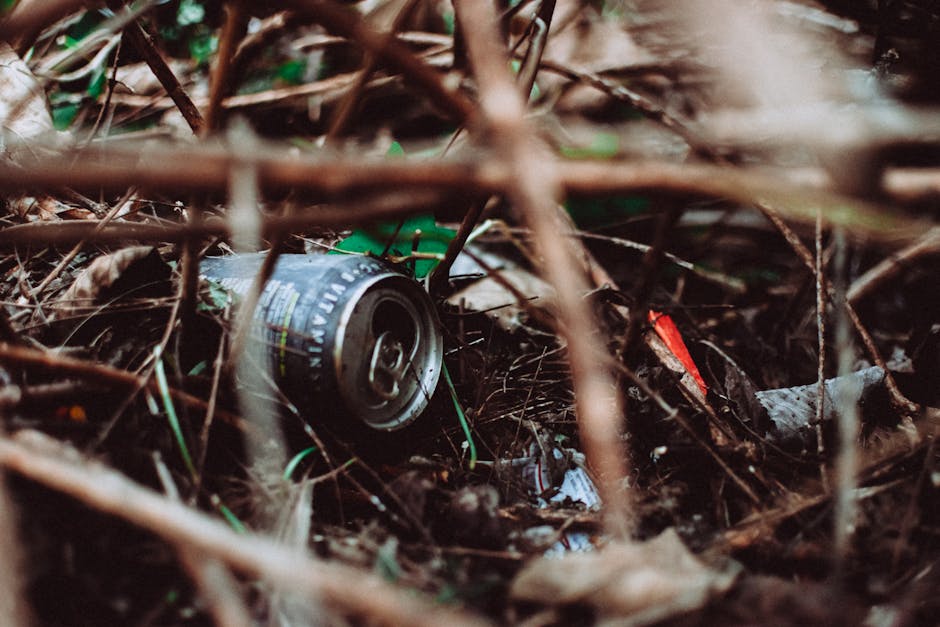
If you have found an old tin of paint in the shed, a leaking bottle of cleaner under the sink, or a half-used pile of batteries that keeps turning up in a kitchen drawer, you are not alone. Hazardous household waste has a habit of lingering until the moment it becomes awkward, smelly, or simply unsafe. For Merton homes, the urgent steps are thankfully straightforward once you know what to look for, what to avoid, and when to ask for help.
This guide walks you through the practical side of dealing with hazardous household waste: urgent steps for Merton homes, from spotting risky items to storing them safely and arranging proper removal. It is written for real households, not ideal ones. The ones with busy hallways, tiny cupboards, and that one mystery box in the loft everyone has been ignoring since last winter.
Why Hazardous household waste: urgent steps for Merton homes Matters
Hazardous household waste is not just an inconvenience. It can create fire risks, chemical exposure, blocked drains, damaged floors, and avoidable stress. In a family home, even one improperly stored item can create a chain of small problems: a leaking container in the utility room, a strange smell in the airing cupboard, or a child finding a battery where it should never have been.
For Merton homes, the issue often appears in everyday places. A garage clearance turns up old car fluids. A loft clearance reveals paint tins that have rusted at the edges. A house clearance after a long tenancy brings out aerosol cans, medicines, and cleaning products tucked away in odd corners. Truth be told, most people do not realise how much hazardous waste they have until they start looking properly.
The urgency comes from two directions. First, some items are genuinely dangerous if they break, leak, or react with other materials. Second, the wrong disposal method can cause wider environmental harm. Pouring chemicals down the sink or mixing different liquids in one box is a recipe for trouble. And no, the kitchen bin is not a clever shortcut. It never is.
Good handling protects the home, the people in it, and the people who collect and process waste later on. That matters whether you are clearing a single cupboard or preparing a full home clearance, dealing with a large house clearance, or just sorting a storage area that has quietly become a chemical museum.
How Hazardous household waste: urgent steps for Merton homes Works
The process is simpler than many homeowners expect. First, you identify what is hazardous. Then you separate it from ordinary rubbish. After that, you keep it secure, label it where possible, and arrange the right route for disposal or collection.
At a practical level, this means following a few basic rules:
- Do not mix different waste types together.
- Keep containers upright and closed.
- Store items away from heat, flames, food, and children.
- Keep the original label if it is still readable.
- Handle broken or leaking items with extra caution.
Think of it as triage for the cluttered cupboard. Some items can wait a little while if they are stable and sealed. Others need urgent attention because they are leaking, cracked, or giving off fumes. A sharp smell, visible corrosion, or swelling container is usually a sign that time is not on your side.
In many homes, the safest route is to separate hazardous items and arrange a collection as part of broader waste removal. That is often easier than trying to tackle the problem piecemeal over several weekends, especially when the items are buried in a loft, garage, or basement and you would rather not spend Sunday afternoon breathing solvent fumes.
It is also worth noting that hazardous household waste is not the same as bulky rubbish. An old sofa, broken wardrobe, or unwanted table belongs in a different category. If you are sorting mixed contents from a property, services such as furniture clearance or furniture disposal can sit alongside hazardous-item planning, but the streams should stay separate.
Key Benefits and Practical Advantages
Handled properly, hazardous household waste becomes far less stressful. The benefits are not abstract; they show up in the day-to-day running of the home.
- Lower safety risk: fewer leaks, spills, and accidental exposures.
- Less fire danger: useful for households storing aerosols, solvents, or old electronics.
- Cleaner storage spaces: especially in garages, lofts, and utility rooms.
- Better compliance: you are far less likely to dispose of items in ways that cause problems later.
- Less last-minute panic: if a product starts leaking, you already know what to do.
There is another advantage that people sometimes miss: confidence. Once the waste is sorted, labelled, and moved out properly, the space feels lighter. You can open the cupboard without that little flinch. It sounds small, but it matters.
For households combining multiple tasks, this can also make wider projects smoother. A planned garage clearance or loft clearance becomes much more manageable when hazardous items have already been set aside. Same with bigger moves, probate work, or post-renovation tidying. One calm step at a time.
Who This Is For and When It Makes Sense
This guidance is for a wide range of Merton residents, not just people dealing with a dramatic spill. In our experience, the need usually shows up in ordinary situations.
- Families clearing out under-sink cupboards full of old cleaning products.
- Homeowners finding old paint, thinners, or garden chemicals in storage.
- Landlords dealing with left-behind items after a tenancy.
- People sorting a property after bereavement or a long period of accumulation.
- Residents who have mixed waste after DIY, decorating, or small repairs.
- Anyone unsure whether a damaged container is safe to keep at home for another week.
It also makes sense if you are already booking a broader clearance. For example, a busy household might need help with a full flat clearance after a move, while another may need a mix of garage clearance and careful segregation of chemical containers. The point is simple: you do not need to wait for a crisis before acting.
Ask yourself two questions. Is the item potentially harmful if it leaks, breaks, burns, or mixes with something else? And would I be comfortable storing it near food, children, pets, or heat? If the answer to either is no, it probably belongs in the hazardous category.
Step-by-Step Guidance
Here is the practical route. Keep it simple. Do not overthink the labels, but do not rush either. A slightly boring, careful approach is usually the right one.
- Identify the item. Look for paint, solvents, bleach, disinfectants, batteries, fluorescent tubes, pesticides, medicines, aerosols, engine fluids, and unknown liquids.
- Separate from general waste. Put hazardous items in one secure area, away from everyday rubbish and anything food-related.
- Check the container. If it is damaged, put it inside a second container or tray if safe to do so. Do not shake it. That sounds obvious, but people do.
- Keep original packaging where possible. Labels help identify contents. If the label has fallen off, note what you think the item is and where it came from.
- Store safely. Keep items cool, dry, upright, and out of reach. A locked shed or sealed box may be suitable for short-term storage if the item is stable.
- Do not mix different chemicals. This includes residues in old bottles. Leftover bleach and ammonia, for example, are not a fun combination.
- Arrange proper removal. If the volume is more than you can safely manage, or the items are damaged, consider professional assistance through a suitable waste removal service.
One useful habit: create a small "do not touch" zone. A single plastic tub, box, or tray in the corner of the garage can stop dangerous items from drifting back into circulation. It sounds a bit overcautious. It saves a lot of mess later.
If you are sorting a property with mixed contents, you may also want to schedule non-hazardous clearance at the same time. For larger jobs, services like house clearance or home clearance can be coordinated around the hazardous items, provided everything is separated properly first.
Expert Tips for Better Results
A few small habits make a big difference. These are the things that tend to prevent problems before they start.
- Work in daylight if possible. You will spot leaks, rust, and labels more easily.
- Use gloves only if appropriate. They are helpful for many items, but they are not magic armour. Avoid touching damaged containers directly.
- Ventilate the area. Open a window or door if there is a smell, but do not create a draft that could blow powder or liquid around.
- Keep children and pets away. Obvious, yes. Easy to forget during a busy tidy-up.
- Separate sharp items too. Broken glass mixed with chemicals can turn a simple job into a nasty one.
- Take photos for reference. A quick picture can help if you need to describe items later.
If you are dealing with an estate, long-term storage, or a property left untended for some time, it can help to treat the first pass as a survey rather than a full clear-out. You are not trying to solve everything in one go. You are gathering information, then acting on it. That mindset saves energy.
And yes, sometimes the best expert tip is to stop opening boxes that smell strange. Sensible, really.
Common Mistakes to Avoid
Most problems with hazardous household waste come from a handful of repeated mistakes. Fortunately, they are easy to avoid once you know what they are.
- Mixing liquids together. Even small amounts can react badly.
- Putting hazardous items in black bags with general waste. This is one of the quickest ways to create a hidden risk.
- Leaving damaged containers in warm rooms. Heat can worsen leaks or fumes.
- Pouring products down sinks or drains. That can create plumbing and environmental problems.
- Ignoring old batteries and chargers. They may seem harmless until they heat up or corrode.
- Assuming "empty" means safe. Residue still matters.
Another common mistake is waiting until a full clear-out day before deciding what to do with hazardous items. If a container is already leaking, that is not a "later" job. It is a right-now job. Not a dramatic emergency in every case, but definitely not something to leave in the hallway overnight.
People also forget that ordinary clearing work can uncover risky items unexpectedly. A routine loft clearance or garage clearance can suddenly reveal old tins, weed killers, or car maintenance fluids. That is normal. The key is to pause, sort, and keep the hazardous items separate from the rest.
Tools, Resources and Recommendations
You do not need a complicated kit, but a few basic tools make the job safer and tidier.
| Tool or item | Why it helps | Good for |
|---|---|---|
| Sturdy cardboard box or plastic tub | Keeps related items together and upright | Paint tins, aerosols, batteries |
| Disposable gloves | Reduces contact with residue | Cleaning products, dusty containers |
| Permanent marker | Helps label unknown items safely | Loose lids, removed labels |
| Absorbent material | Useful as a short-term safeguard under a stable leak | Small spills inside secondary containment |
| Sealable bags | Contains small loose items such as batteries | Household batteries, small accessories |
For wider household projects, it can help to combine hazardous-item sorting with broader storage clear-outs. A planned house clearance or home clearance gives you a better chance of seeing the whole picture, rather than discovering risky items one cupboard at a time.
If recycling and reuse are part of your thinking, the page on recycling and sustainability is a useful companion for understanding how broader waste choices fit together. Hazardous items still need special handling, of course, but it helps to think beyond the bin.
Law, Compliance, Standards, or Best Practice
For householders, the safest approach is to follow accepted UK waste-handling practice and the guidance you are given by the relevant collection or disposal service. Without overcomplicating it, the core principle is simple: do not dispose of hazardous items in a way that risks harm to people, property, or the environment.
Best practice usually includes:
- storing hazardous items securely and separately;
- keeping labels where possible;
- avoiding mixes of different chemical types;
- using suitable collection or disposal channels;
- following any specific instructions for batteries, medicines, aerosols, or sharp objects.
If you are arranging support from a waste contractor, look for clear health and safety information. A service with transparent handling practices, such as the details set out on the health and safety policy page, is usually a reassuring sign. You also want to understand how items are carried, separated, and treated, which is where the insurance and safety information can be helpful.
For peace of mind around service terms, payment, or what happens if your job changes after inspection, it is sensible to review the terms and conditions and the payment and security information too. Small print is rarely exciting, but it can prevent awkward surprises. Not glamorous. Very useful.
Options, Methods, or Comparison Table
There are usually three practical ways to deal with hazardous household waste in a Merton home. The right choice depends on volume, condition, and how quickly you need the items gone.
| Method | Best for | Strengths | Limitations |
|---|---|---|---|
| Short-term safe storage at home | Small, stable, clearly labelled items | Simple, low effort, buys time | Not suitable for leaking, broken, or large quantities |
| Mixed household clear-out with separation | Homes already planning a declutter or move | Efficient, less disruption, tidy outcome | Needs careful sorting before collection |
| Dedicated waste collection support | Damaged items, higher volumes, or urgent situations | Safer and less stressful, especially for busy households | May require planning and clear item descriptions |
In many real homes, the third option is the easiest once things have moved beyond a few bottles and batteries. If you are already planning other clearances, such as furniture disposal or a general waste removal visit, make sure the hazardous items are flagged separately from the start. That small bit of organisation saves a lot of back-and-forth later.
Case Study or Real-World Example
A typical Merton household scenario goes like this. A family starts sorting their garage on a Saturday morning. Under a stack of old Christmas decorations, they find a box with half-empty paint tins, a couple of aerosols, a bottle of weed killer, and some batteries from a long-defunct toy collection. Nothing is actively spilling, but one tin has a rusty lid and a sharp chemical smell when opened.
Instead of tossing everything into one pile, they stop. They move the box away from the heat of the boiler area, keep it upright, and separate the batteries into a small sealable bag. The paint tins stay closed. The leaking tin is placed into a secondary tray to contain any drips. They then arrange removal as part of a broader garage tidy-up rather than leaving it for another month.
The result is boring in the best possible way. No spill. No mess on the concrete. No anxious double-checking every time someone walks past. And the rest of the garage clear-out can continue calmly. That is often how good hazardous waste handling looks in real life: not dramatic, just quietly responsible.
We have seen the same pattern in lofts, garden sheds, and utility rooms. Once the risky items are separated, the rest of the clearance becomes noticeably easier. Oddly satisfying, really.
Practical Checklist
Use this quick checklist before you move any hazardous household waste around the home:
- Have I identified the item clearly?
- Is the container sealed, or does it need extra containment?
- Is it stored away from food, children, pets, and heat?
- Have I kept similar items together and avoided mixing chemicals?
- Have I kept the label or noted what the item is?
- Is there any sign of leakage, corrosion, smell, swelling, or cracking?
- Do I know whether this belongs with general waste, recycling, or a separate collection route?
- Have I set it aside for safe removal rather than leaving it in a busy area?
Practical summary: sort first, isolate second, move carefully, and never guess with chemicals. If you are unsure, treat the item as hazardous until you can verify otherwise. A cautious approach is far better than a tidy-up that turns into a clean-up of a different kind.
For residents comparing service options or preparing for a larger project, it can be useful to look at pricing and quotes alongside the service details. If you want to understand the team behind the work, the about us page is a sensible place to start before making a booking.
Get a free quote today and see how much you can save.
Conclusion
Hazardous household waste does not have to dominate your home or your weekend. The urgent steps are clear: identify the risk, separate the items, store them safely, and arrange the right removal route before a small problem becomes a bigger one. For Merton homes, that simple rhythm works especially well because so many risky items are found in the places people least expect to look.
If you are already tackling a loft, garage, cupboard, or full property clear-out, this is the moment to pause and handle the hazardous items properly. It will make the rest of the job safer, cleaner, and less stressful. And once it is done, you will feel the difference straight away. One less thing ticking away in the background. One more space brought back under control.
Small, careful steps really do add up. And that is usually how the best home decisions are made.
Frequently Asked Questions
What counts as hazardous household waste in a Merton home?
It usually includes items such as paint, solvents, aerosols, batteries, bleach, pesticides, engine fluids, fluorescent tubes, medicines, and any unknown liquid or chemical that could be harmful if spilled, mixed, or inhaled. If in doubt, treat it cautiously.
Can I put hazardous waste in my normal bin?
No, that is not a safe option. Hazardous items should be separated from general household rubbish because they can leak, react, damage collection systems, or put other people at risk. A separate handling route is far better.
What should I do if a container is leaking?
Keep calm, avoid direct contact, and do not tip the contents into anything else. If it is safe, place the damaged container inside a second container or tray to limit the spread, then arrange prompt removal. If the leak is significant, do not wait around.
Are empty paint tins still hazardous?
Sometimes, yes. Even when they look empty, residue can remain inside. Keep the lids closed and treat them cautiously unless you are certain they are fully cleaned and suitable for the intended disposal route.
How long can I store hazardous household waste at home?
Only for a short period and only if it is stable, sealed, labelled, and stored safely away from heat, children, pets, and food. If items are damaged, smelly, or leaking, the safe timeframe is much shorter.
What is the safest way to move hazardous items inside the house?
Move them slowly, upright, and separately from ordinary rubbish. Use a sturdy box or tray if needed, and avoid carrying multiple loose containers at once. A calm, one-trip-too-many approach is better than dropping something on the stairs.
Can hazardous waste be included in a house clearance?
It can often be dealt with alongside a wider clearance, but it should always be identified and separated first. If you are arranging a house clearance, flag hazardous items early so they are handled properly.
What if I find old batteries in a loft or garage?
Collect them carefully, keep them dry, and store them away from metal objects where possible. Batteries are small, but they are not harmless. A simple sealed bag or container is usually a sensible short-term step.
Do I need professional help for just a few items?
Not always. A few stable items may only need safe storage and the correct disposal route. But if the items are damaged, numerous, or mixed with larger clutter, professional help can save time and reduce risk.
How do I know whether a product is too risky to keep?
If it smells strong, looks corroded, is leaking, is swollen, or has no clear label, it deserves caution. When you cannot confidently identify it, keep it isolated and seek the safest removal option available.
Is hazardous household waste different from builders waste or garden waste?
Yes. Builders waste often includes rubble, timber, and packaging, while garden waste is usually organic material and non-hazardous debris. Hazardous household waste includes chemicals and other items that need separate handling. It is a different job altogether.
What is the best first step if I feel overwhelmed?
Start with one small area, not the entire house. Pick the cupboard, box, or shelf with the riskiest-looking items, separate them, and stop there if needed. A little progress beats a chaotic all-day attempt every time.