Budget bulky waste solutions for Wimbledon tenants
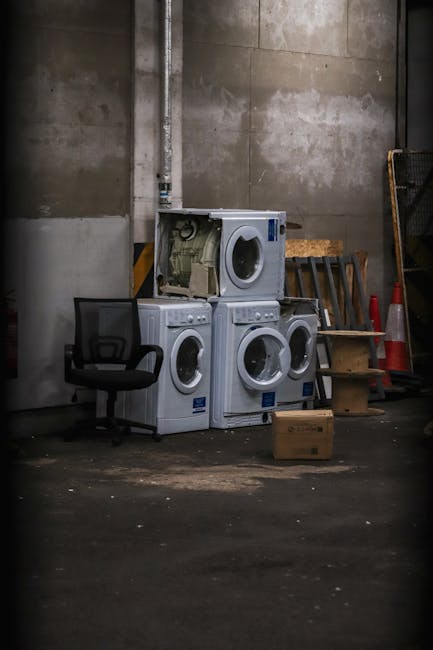
If you rent in Wimbledon, bulky waste can turn into a bigger headache than it first looks. A broken sofa, a tired mattress, a wardrobe that won't fit down the stairs, or a pile of boxes after a move-out can quickly eat up time, space, and money. The good news is that Budget bulky waste solutions for Wimbledon tenants do exist, and they do not have to mean a messy flat, a surprise bill, or a last-minute panic on collection day.
This guide walks you through the practical ways to deal with bulky items without overspending. You'll learn how the process usually works, what to check before booking anything, how to avoid common mistakes, and how to choose an option that suits tenant life in Wimbledon, where storage space is often tight and building access can be a bit fiddly. Let's face it, nobody wants a sofa wedged halfway through a hallway on a damp Tuesday evening.
For tenants who also need wider waste support, it can help to understand the full picture. Services like house clearance, general rubbish removal, and furniture disposal often overlap with bulky waste jobs, especially when you are clearing a room or moving out. If you prefer to compare related options, that broader context makes a difference.
Below, you'll find a clear, useful breakdown designed for real tenants, not just property managers or removal pros. Short version? The cheapest option is not always the best value, and the most expensive option is not always necessary either. Somewhere in between is usually the sweet spot.
Expert summary: For Wimbledon tenants, the smartest bulky waste solution is usually the one that balances access, item size, collection timing, and total cost. Start by separating what can be reused, what can be donated, and what genuinely needs removal. Then match the job to the simplest service that can handle it properly.
Table of Contents
- Why Budget bulky waste solutions for Wimbledon tenants Matters
- How Budget bulky waste solutions for Wimbledon tenants Works
- Key Benefits and Practical Advantages
- Who This Is For and When It Makes Sense
- Step-by-Step Guidance
- Expert Tips for Better Results
- Common Mistakes to Avoid
- Tools, Resources and Recommendations
- Law, Compliance, Standards, or Best Practice
- Options, Methods, or Comparison Table
- Case Study or Real-World Example
- Practical Checklist
- Conclusion
- Frequently Asked Questions
Why Budget bulky waste solutions for Wimbledon tenants Matters
Bulky waste is one of those jobs that looks simple until you start moving things around. A single item can be awkward enough on its own; three or four items, plus stairs, plus a narrow communal hallway, and suddenly you are managing a real logjam. For tenants in Wimbledon, budget-conscious solutions matter because rental living often comes with tighter space, faster turnover, and less tolerance for clutter.
There's also the practical side. Bulky waste left too long can block access, create trip hazards, and make a home feel much smaller than it is. If you're preparing for a check-out, a clean flat matters. If you're hosting a new housemate, it matters. If you've just bought a replacement bed and the old one is leaning sadly in the corner, it definitely matters. The smell of old upholstery, the scrape of a wardrobe edge against a wall, the awkward silence when everyone realises the lift is too small - these are small things, but they add up.
Budget solutions matter because tenants usually need a fast, flexible answer rather than a long planning exercise. You may not want a full clearance service, and you may not have a van, a neighbour with time, or the patience to dismantle a set of drawers by yourself. A sensible approach can save both money and stress.
It also helps to think about the wider waste picture. If the bulky item is part of a larger clear-out, the job may be more efficient when it's combined with office clearance-style sorting principles: separate what stays, what goes, and what can be reused. That simple discipline often cuts unnecessary removal costs.
Key point: The cheapest bulky waste fix is rarely the one that ignores access, item preparation, or disposal method. A budget solution should still be orderly, legal, and reliable.
How Budget bulky waste solutions for Wimbledon tenants Works
Most budget bulky waste options follow the same basic logic: assess the item, choose the lightest-touch suitable service, and make the collection as easy as possible. If you do the prep well, the actual removal becomes simpler and often cheaper. That's the part people overlook.
1. Identify what actually needs to go
Start by listing the bulky items. One sofa is different from a sofa, armchair, mattress, and dismantled desk. A clear list helps you avoid overbooking. It also gives you a chance to spot items that could be reused, sold, or donated instead of thrown away.
2. Check access before booking
In Wimbledon flats and converted houses, access can be the real issue. Ask yourself:
- Can the item fit through the hallway?
- Will it need to be dismantled first?
- Is there lift access, or only stairs?
- Is parking available close to the property?
- Are there building rules for collection times?
These little details matter more than people expect. A removal team can only work efficiently if they can get to the item without wrestling it through a maze of obstacles.
3. Match the item to the right type of service
Not every job needs a large clearance. Sometimes a small collection is enough. Sometimes you need a few items removed at once. Sometimes the best value comes from combining a furniture disposal job with general rubbish removal. If the items are mixed - say, one broken bed, some packaging, and a cabinet - a broader collection may be more cost-effective than booking separate visits.
4. Prepare the items
Here's where you can save money without cutting corners. Remove loose contents, empty drawers, disconnect safely where appropriate, and take apart furniture if you can do it without damaging walls or injuring yourself. To be fair, some people spend longer worrying about dismantling than the task itself takes. A screwdriver and ten calm minutes can be worth a lot.
5. Confirm what happens next
Before anything is collected, make sure you know where the items are going in practical terms. Reuse, recycling, and lawful disposal are all different steps. Good bulky waste solutions should be transparent about this, even if the details stay simple on the surface.
If you're dealing with a larger property clear-out rather than a single object, it may help to look at broader support such as waste disposal and flat clearance. That can be especially useful when tenants are moving between rental properties or helping a landlord hand a flat back in good order.
Key Benefits and Practical Advantages
The obvious benefit is saving money. But in real life, the value of budget bulky waste solutions goes beyond the invoice. You are also buying time, convenience, and a cleaner exit from the problem. That matters more than people admit.
- Lower overall spend: If you separate useful items from true waste, you often reduce the amount that needs removing.
- Less disruption: A planned collection is far easier than a last-minute scramble on a Sunday evening.
- Better space management: Small Wimbledon homes fill up quickly, so getting bulky waste out can instantly improve day-to-day living.
- Reduced stress during moving day: No one wants old furniture blocking the route to the front door.
- Cleaner handover for tenants: If you are leaving a property, removing oversized items can help the place look properly reset.
There is also a subtle but important benefit: better decision-making. Once you look at bulky waste in a structured way, you stop treating every item as an emergency. You can tell the difference between something that needs immediate removal and something that can wait until the rest of the room is sorted.
And yes, that calm matters. A lot, actually.
Who This Is For and When It Makes Sense
This kind of service is most useful for tenants who want a low-fuss way to deal with large items without paying for more than they need. It is especially relevant in Wimbledon, where many renters live in apartments, shared houses, or converted period properties with awkward access.
Typical situations where budget bulky waste makes sense
- You are moving out and need to remove a bed, mattress, wardrobe, or sofa.
- You've replaced old furniture and need the old pieces taken away.
- You share a flat and several people are clearing out at once.
- You have ended up with one or two oversized items after a room refresh.
- You need to clear a spare room before a new tenant arrives.
It also makes sense when you do not have a suitable vehicle, do not want to lift heavy items yourself, or simply want a professional team to deal with the awkward bits. Truth be told, that's a pretty common situation. Most people do not own a van, and even if they did, not every sofa is going to cooperate.
If the job involves a full room, a whole flat, or a mix of furniture and general junk, you may find more value in a broader solution such as garage clearance or shed clearance principles, even if the space is not literally a garage or shed. The idea is the same: remove the unwanted bulk in the most efficient way possible.
Step-by-Step Guidance
If you want a budget-friendly result, process matters. Here's a simple way to handle it without making the whole thing more complicated than it needs to be.
- List every bulky item. Write down what needs to go. Be specific: "bed frame and mattress" is better than "bed stuff."
- Check whether any item can be reused. If an item is clean, usable, and safe, it may be better suited to resale or donation than disposal.
- Measure doorways and stairs. This sounds tedious, but it can save a failed collection attempt. A tape measure now can spare a lot of shouting later.
- Separate bulky waste from ordinary rubbish. Packaging, small bags, and broken household items may be handled differently from large furniture.
- Decide if dismantling helps. Flat-pack furniture, bed frames, and shelving units often become far easier to remove once broken into sections.
- Photograph awkward items. This is useful when you want a clear quote or need to explain access problems.
- Book the right-sized service. Choose a collection that fits the actual volume, not the worst-case guess.
- Prepare the route. Clear hallways, move loose rugs, and make sure collection access is not blocked.
- Confirm timing. If you share the property, make sure everyone knows when removal is happening.
- Keep proof of what was removed. That can help with tenancy discussions, especially at the end of a lease.
That last point is often overlooked. A quick note or a photo can be handy if you need to show a landlord or letting agent that bulky waste was properly removed. No drama, just good housekeeping.
Expert Tips for Better Results
Small improvements make a real difference here. A job that is slightly better prepared often ends up being simpler, quicker, and more affordable. Nothing mystical about it.
Use the "first out, first gone" rule
Take the biggest, hardest item out of the way first if you can. It opens up the space and makes everything else easier to move. A hallway clear of one awkward wardrobe suddenly feels twice as wide. Funny how that works.
Don't pay to remove air
People sometimes book a collection before emptying drawers, cabinets, or ottoman beds. Emptying items first can reduce weight, reduce mess, and save time. You should not be paying for someone to move a box full of old socks and charger cables. Absolutely not.
Bundle compatible items together
If you have a mattress, bed frame, and broken bedside tables, it can make sense to handle them in one visit. Similarly, if you're also clearing bags of loose waste, a combined collection may be more efficient than separating everything into tiny jobs.
Think about timing around tenancy life
If you are moving in Wimbledon, collections are often easier before the final weekend rush. Midweek can be calmer. You get less pressure, less clutter, and fewer "we'll do it later" conversations.
Ask what preparation is expected
Some services may expect items to be in a certain place; others may help with more of the lifting. Ask clearly. A good budget solution should still be transparent about what is and isn't included.
For homes with more mixed waste than just one or two items, related services like commercial waste and wood and scrap metal removal can sometimes help you understand how different waste streams are handled. Even if you do not need those exact services, the principle is useful: separate materials where possible.
Common Mistakes to Avoid
Most bulky waste problems become more expensive because of avoidable mistakes. A little planning goes a long way.
- Booking without measuring access. If the item will not fit, the job may fail or take longer than expected.
- Leaving preparation until the collection day. That is how stress sneaks in.
- Mixing all waste together. Bulky items, recyclables, and small rubbish may need different handling.
- Assuming every item is worth paying to remove. Some things can be sold, reused, or passed on more sensibly.
- Forgetting building rules. Shared entrances, parking restrictions, and timed access can all affect the collection.
- Choosing a service purely on price. The lowest quote is not always the best overall value if it causes delays or extra charges.
Another common one: people forget the staircase radius or stairwell bend. Then the item gets stuck at the turn, and everyone stands there looking at it like it might solve itself. It won't. Measure the awkward bit, not just the front door.
Tools, Resources and Recommendations
You do not need a full toolkit to manage bulky waste well, but a few simple things make the process easier.
- Tape measure: For doors, hallways, and item dimensions.
- Basic screwdriver or Allen keys: Useful for dismantling furniture safely.
- Strong gloves: Helpful for handling rough edges or dusty items.
- Moving straps or trolley: Worth considering if you are shifting items a short distance.
- Marker pen and labels: Great for separating keep, donate, and remove piles.
- Phone camera: Useful for documenting items and access points.
If you are comparing service types, a good approach is to look at the structure of the job rather than the label. For example, a small bedroom clearance may involve the same kinds of items as a bulky waste pickup, just with a wider scope. Likewise, a simple waste removal booking can sometimes be the most practical route if your bulky items are part of a larger pile.
Recommendation-wise, keep the process simple: measure, sort, photograph, and ask clear questions before booking. That routine alone prevents a surprising number of problems.
Law, Compliance, Standards, or Best Practice
Bulky waste removal in the UK should always be handled responsibly. As a tenant, you generally want to make sure items are removed through a lawful and traceable route, especially where larger loads, mixed materials, or potentially reusable items are involved. The exact arrangements can vary, but the basic best practice is straightforward: do not fly-tip, do not leave items on communal land without permission, and do not assume a random van quote is the same as a proper disposal service.
Best practice also means respecting your tenancy terms and any building rules. Some properties have clear instructions for bin stores, collection points, or contractor access. If you are in a managed block, it is worth checking whether there are designated loading times or whether items need to be kept inside until collection. Small thing, big difference.
From a practical standpoint, you should also be cautious with items that may need special handling, such as electricals, fridges, or anything with hazardous components. Those should not be treated as ordinary bulky waste. If in doubt, ask questions before the collection is arranged.
For landlords and managing agents, good practice is even more important: keep the site tidy, prevent blocked access, and ensure waste is removed in a way that supports a clean handover. That applies just as much in Wimbledon as anywhere else.
Options, Methods, or Comparison Table
There is no single best solution for every tenant. The right choice depends on how many items you have, how heavy they are, and how much effort you want to put in. Here's a simple comparison to help you think it through.
| Option | Best for | Pros | Limitations |
|---|---|---|---|
| Self-transport | Very small loads and tenants with access to a suitable vehicle | Can be low cost if you already have transport; full control over timing | Heavy lifting, risk of damage, parking hassles, time-consuming |
| Single-item collection | One or two bulky items like a mattress or sofa | Simple, focused, usually budget-friendly | Not ideal if you have mixed waste or multiple items |
| Small bulky waste pickup | A few large items from a flat or shared house | Good balance of price and convenience | May require prep work and clear access |
| Full or partial clearance | Room clear-outs, moving out, mixed waste | Most efficient for larger jobs | Can cost more than a small pickup if the job is over-scoped |
The comparison is simple on purpose. If you only have one worn-out chair, do not book a service meant for a full flat. If you have a mattress, bed frame, and desk, do not force the issue into a one-item solution just because it sounds cheaper. The real trick is fit.
Case Study or Real-World Example
Here's a realistic Wimbledon scenario. A tenant in a first-floor flat has a broken bed frame, an old mattress, and a small chest of drawers to remove before the tenancy ends. The hallway is narrow, the stairs turn sharply, and the lift is out of the question. There's also a moving box pile by the door because, of course, there is.
Instead of booking a large clear-out, the tenant sorts everything into three groups: keep, donate, remove. The bed frame is dismantled, screws bagged, and the mattress kept separate. The drawers are emptied and checked for anything useful. They measure the stairwell bend, take a couple of photos, and arrange a collection that matches the actual load rather than guessing.
What made this work? Not luck. Preparation. The collection was easier because access was checked in advance, the furniture was ready to move, and the job stayed focused. No wasted effort, no extra panic, and no "we'll just leave it in the hall for now" situation, which always sounds harmless until it isn't.
If the same tenant had thrown in bags of mixed rubbish, random packaging, and a half-empty wardrobe, the job would have become messier and likely less cost-efficient. That's the lesson. Keep the bulky waste job clear and specific, and it usually stays manageable.
Practical Checklist
Use this quick checklist before arranging a bulky waste solution in Wimbledon:
- List every item that needs removing
- Check whether any item can be reused or donated
- Measure doorways, hallways, stair turns, and lifts
- Confirm whether items need dismantling
- Empty drawers, cupboards, and storage compartments
- Separate bulky items from smaller rubbish
- Take clear photos if the item is awkward or heavy
- Check tenancy rules and building access guidance
- Choose the smallest suitable service type
- Prepare a clear route for collection day
- Keep a note of what was removed
- Ask about anything that needs special handling
Quick reminder: If you get the prep right, the budget part becomes much easier. It really does.
Conclusion
Budget bulky waste solutions for Wimbledon tenants are not about cutting corners. They are about making smart decisions so you only pay for what you actually need. That means checking access, separating items properly, avoiding unnecessary overbooking, and choosing a service that fits your space, your timeline, and your budget.
In a place like Wimbledon, where flats can be compact and access can be awkward, a little planning saves a lot of hassle. The best result is usually the calmest one: the furniture is gone, the hall is clear, and you can move on with the rest of your week without a pile of old stuff staring at you from the corner.
If your bulky waste is part of a larger move, clear-out, or tenancy handover, take the time to compare your options before booking. A simple, well-matched solution almost always feels better than a rushed one.
Get a free quote today and see how much you can save.
And if there's one thing worth remembering, it's this: a tidy exit from a cluttered flat can feel surprisingly good. Sometimes that's the bit people need most.
Frequently Asked Questions
What counts as bulky waste for Wimbledon tenants?
Bulky waste usually means large household items that are too big for regular bins, such as sofas, mattresses, beds, wardrobes, tables, and similar furniture. In some cases, large appliances may also fall into a separate handling category if they need special disposal.
How can I keep bulky waste removal budget-friendly?
Keep the job as small and well-prepared as possible. Measure access, dismantle furniture where practical, empty storage spaces, and separate reusable items from true waste. The less guesswork involved, the better the value tends to be.
Is it cheaper to remove one item or several at once?
Usually, removing several compatible items together is more efficient than booking separate visits. That said, the right answer depends on the type of items, access, and total volume. Sometimes a single item is still the simplest option.
Can I leave bulky items in the communal hallway until collection day?
It is usually better not to. Shared hallways can block access, create safety issues, and sometimes breach building rules. Keep items inside or in the agreed collection spot until they are ready to go.
Do I need to dismantle furniture before collection?
Not always, but dismantling can help if the item is large or awkward. Bed frames, shelving units, and some wardrobes often become much easier to remove once broken into smaller parts.
What if my bulky waste includes mixed rubbish too?
If your load includes both large items and smaller rubbish, you may need a broader collection approach. Mixing everything together without planning can make the job harder and sometimes less cost-effective.
How do I know which service is right for my flat?
Start with the items themselves. If you only have one or two large pieces, a focused pickup may be enough. If you're clearing several rooms or moving out, a more comprehensive service may make more sense.
Are there items that need special handling?
Yes. Electrical items, fridges, and anything with potentially hazardous components should be treated carefully. If something seems unusual, ask before booking so you can avoid a bad surprise on collection day.
Can bulky waste removal help at the end of a tenancy?
Absolutely. It is often one of the most useful services for tenants who need to hand back a clean, empty property. Removing old furniture and large items can make the final space much easier to inspect.
What should I do before the collection team arrives?
Clear access routes, empty the items where needed, and make sure everyone in the property knows the plan. A few minutes of prep can save a lot of delay and a fair bit of stress.
Is it worth getting a quote if I only have one bulky item?
Yes, especially if the item is awkward or heavy. One item may still need lifting, dismantling, or careful access planning, so a quote helps you understand the real cost before you commit.
What is the biggest mistake tenants make with bulky waste?
The most common mistake is underestimating the access problem. People focus on the item itself and forget the hallway, stairs, lift, parking, or building restrictions. That is usually where avoidable delays start.
If you are ready to move forward, compare the size of the job with the simplest service that can handle it properly, then book with confidence. It is a small bit of organisation now for a much easier day later - and honestly, that trade is usually worth it.